A practical, no-fuss guide for tourists vs. long-term residents
If you are in Korea and want to order from Coupang for everyday essentials, snacks, or even small souvenirs for less than what you’ll often see around Myeongdong, Coupang can be a game-changer. Delivery is fast, bundle deals are everywhere, and flash discounts pop up constantly.
But for many foreigners, there’s one major hurdle that decides whether your order goes through or not:
Payment (and identity verification).
This guide focuses on what actually works in real life—separately for tourists (short-term visitors) and residents (long-term stayers)—so you can place an order successfully, not just “in theory.”

Three things you should know before ordering
1) Coupang supports multiple payment methods—but what tourists can
actually
use is different
Coupang lists options like bank transfer, card payments, and virtual account deposits.
In practice, tourists often don’t have a Korean bank account, mobile banking, or local verification—so even if a virtual account exists, they may have no realistic way to complete the transfer.
2) There’s an English (beta) interface, but it doesn’t remove the real barrier
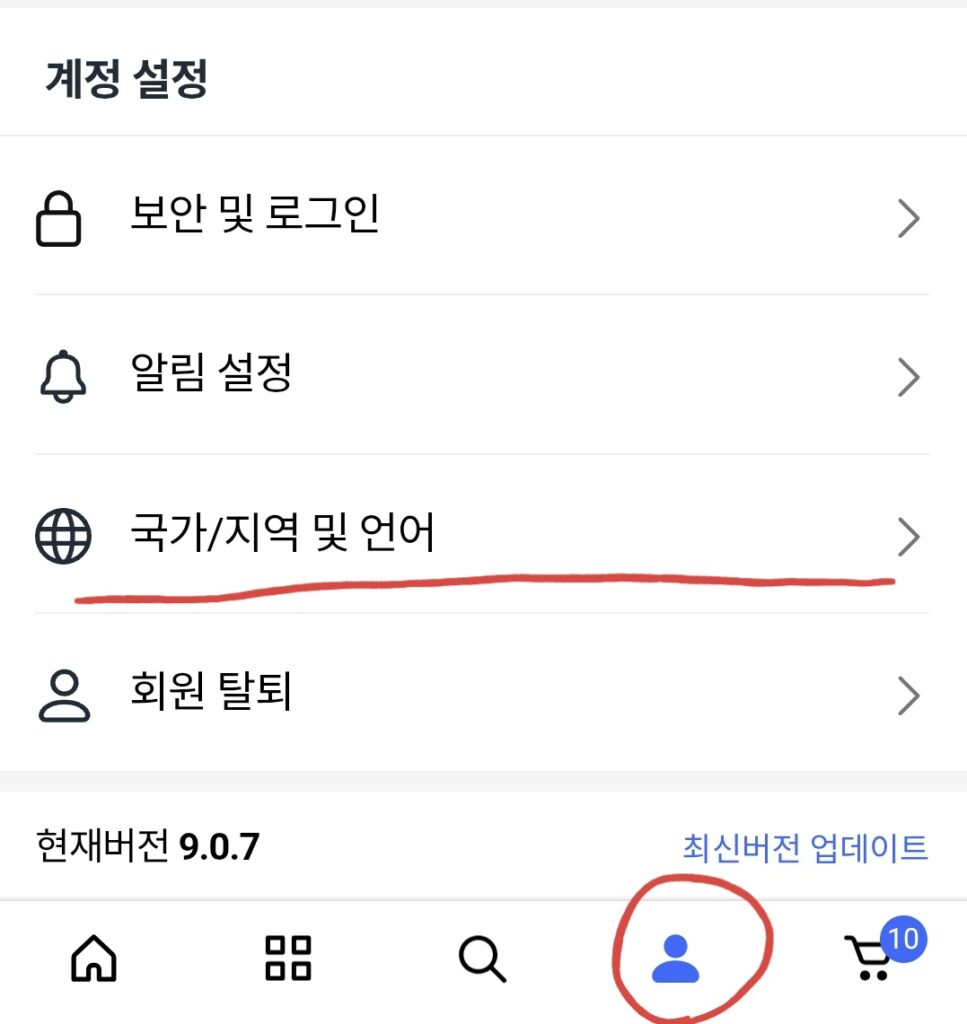
Yes, the app offers English (Beta). The menu path is simple.
But the biggest obstacles usually come from Korean finance + identity infrastructure, not language—so switching to English doesn’t guarantee you’ll get past checkout.
3) Delivery is often possible—but your accommodation’s receiving rules matter
Hotels, serviced residences, and many Airbnbs can receive deliveries as long as the address is correct.
The variables are things like front desk policy, storage rules, and loss risk, so your delivery note and a quick confirmation with the property can save you a headache.
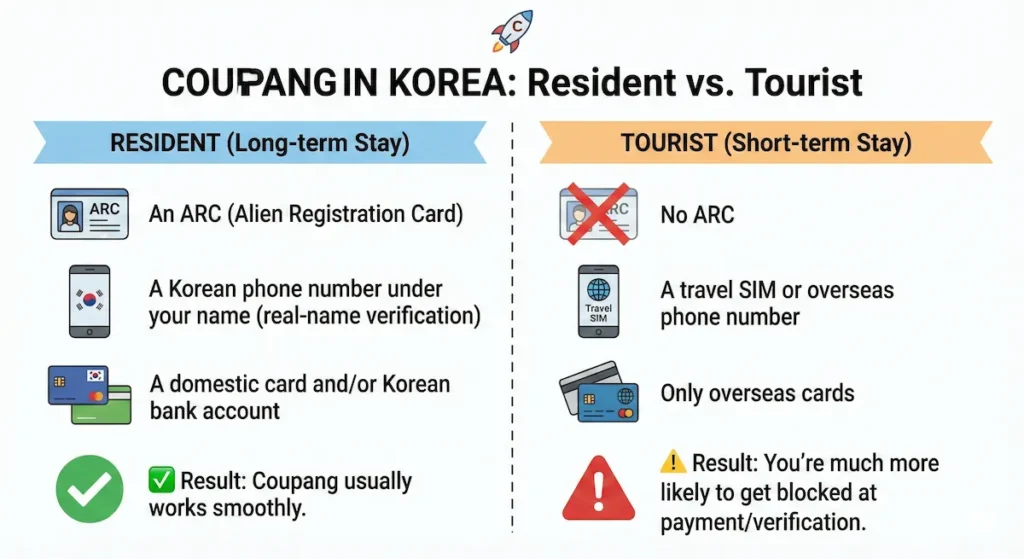
Step 0. Figure out which category you’re in
If you’re a resident (long-term stay)
You typically have:
- An ARC (Alien Registration Card)
- A Korean phone number under your name (real-name verification)
- A domestic card and/or Korean bank account
✅ Result: Coupang usually works smoothly.
If you’re a tourist (short-term stay)
You typically have:
- No ARC
- A travel SIM or overseas phone number
- Only overseas cards
⚠️ Result: You’re much more likely to get blocked at payment/verification.
Step 1. Install Coupang and switch to English (if it helps)
- Install the Coupang app
- Go to My Coupang → Language → English (Beta)
Tip: Even if your interface is in English, delivery details often work better in Korean—especially for building access, front desk notes, and instructions. You can copy-paste the templates below.
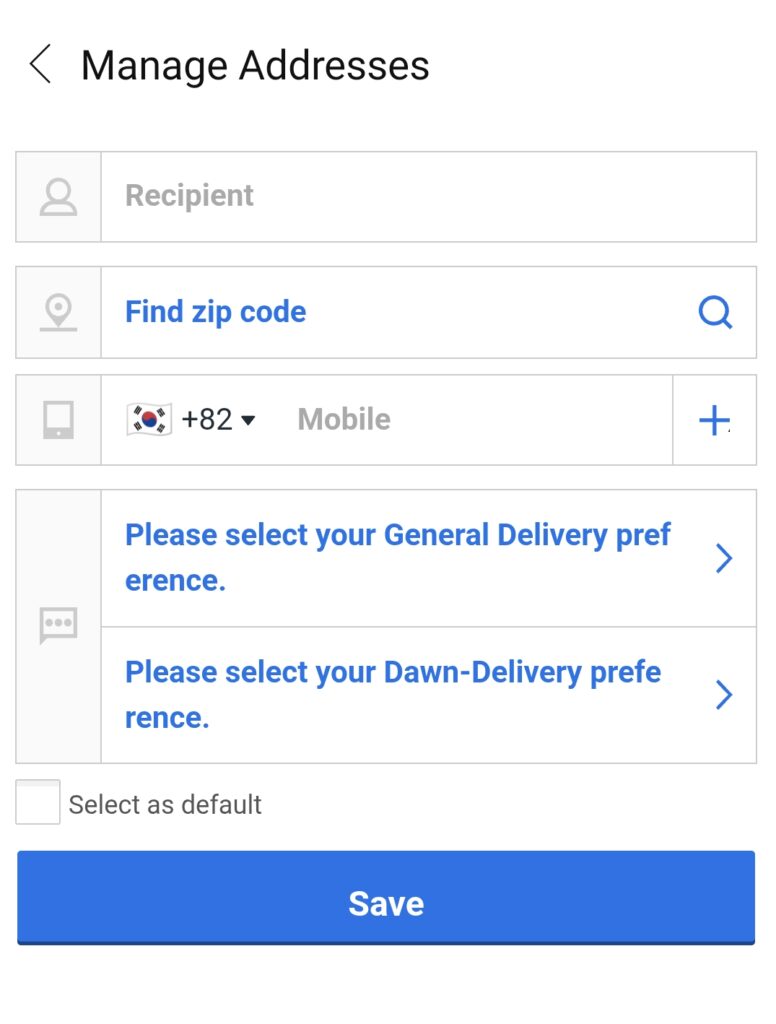
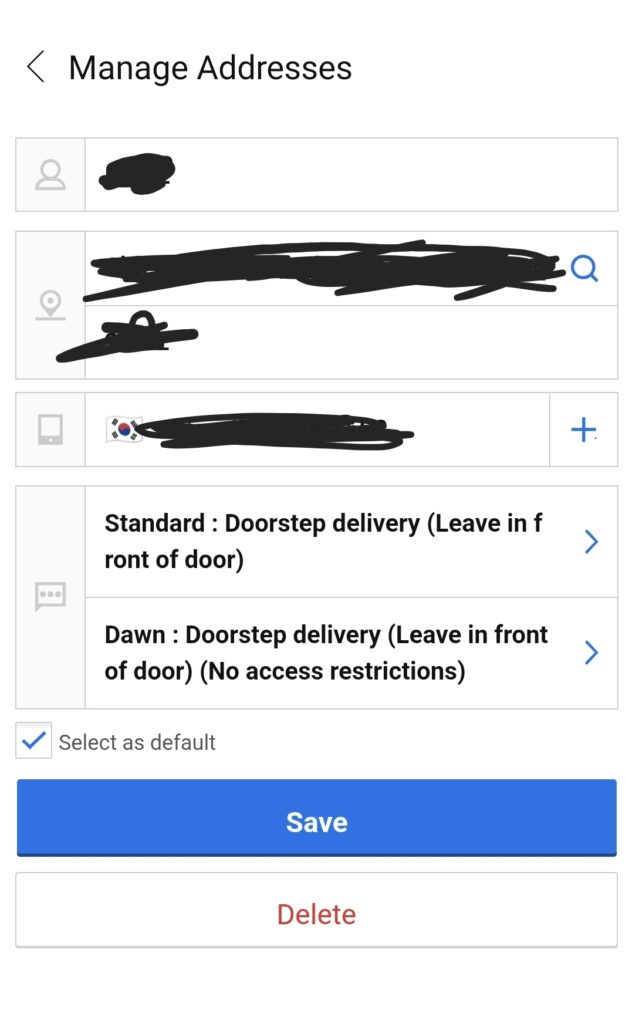
Step 2. Enter your delivery address (tourists can usually do this)
Recommended format (example)
- Receiver: YOUR NAME (as in passport) + Room number
- Example: JAMES SMITH Room 1203
- Delivery note:
- English: Please leave it at the front desk.
- Korean (recommended): 프론트에 맡겨주세요. (OOO호 숙박)
- If unmanned building: 문 앞에 놓아주세요. / 경비실에 맡겨주세요.
Common accommodation issues
- Some front desks refuse to accept parcels → Ask at check-in: “Do you accept deliveries?” It’s a 10-second question that prevents a lot of stress.
- Avoid expensive items (electronics, high-value cosmetics) as a tourist → If something goes missing—or you need a return/refund—solving it within a short trip can get messy fast.
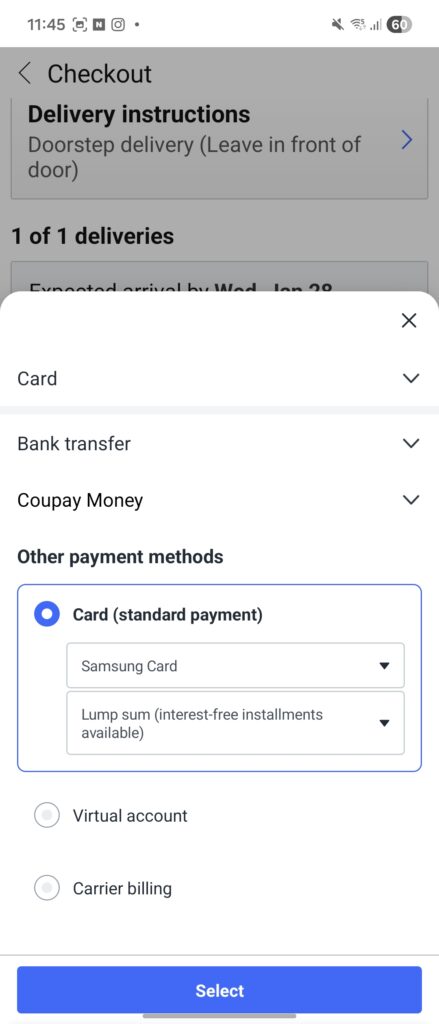
Step 3. Choose your payment route (this is where it’s won or lost)
A) Residents: the most stable options
- Domestic card payment
- Bank transfer
- (If possible) connect Coupang Pay
✅ This combo usually works without drama.
B) Tourists: “possible, but often difficult” is the reality
Coupang may mention virtual account deposits, but tourists commonly run into issues like:
- A virtual account deposit still requires Korean transfer tools (bank account / ATM / counter)
- Short-term visitors often lack local banking + identity verification
- Overseas cards may succeed or fail depending on the card issuer + authentication flow (and people report mixed outcomes)
The realistic priority order for tourists
- Try paying with an overseas card
- If available, look into passport-based payment verification services
- Example: Some Korean card/payment services have announced options that support foreigners via passport verification in certain contexts.
- Ask a local friend / long-term resident to help (highest success rate)
- In many cases, this is far more reliable than trying to “solo” the full Coupang payment flow as a tourist.
Step 4. Coupang tips that can make things genuinely cheaper than tourist areas
Tourist hubs often include a built-in convenience premium. Coupang tends to undercut those prices when you use these patterns:
1) Best categories for bundle/value buys
- Sheet masks, snacks, consumables (razors, toothbrushes, detergent, tissues, etc.)
- Hair/body basics, everyday cosmetics
- Supplements (but export rules and personal limits are on you)
2) Rocket Delivery / Rocket Fresh + timing discounts
Prices can change frequently—even for the same listing.
→ Catching “today-only” or limited-time deals can make a noticeable difference.
3) Add everything and order once
If you’re using deposit/virtual account flows, the payment process can become annoying across multiple orders.
→ Fewer checkouts = fewer chances for something to fail (assuming you can pay at all).
3 common problems foreigners run into (and what actually solves them)
Problem 1) “If there’s bank deposit, tourists should be fine… right?”
Not necessarily. The issue is how you deposit, not whether the option exists.
Virtual account deposit still usually requires Korean banking tools.
✅ What works better
Set your goal as “finish the purchase with the least friction,” not “force a specific method.”
Try:
- Overseas card →
- passport-based verification/payment option (if available) →
- ask a resident friend for help (most reliable)
Problem 2) Getting blocked by real-name / identity verification
This is especially common without an ARC.
✅ What helps
- Residents: make your name format consistent across passport / ARC / telecom registration (spacing and capitalization too)
- If you need official foreign resident guidance: 1345 (Immigration Contact Center)
- Weekdays 09:00–22:00, and after 18:00 they provide multilingual support (Korean/English/Chinese)
Problem 3) Delivery refusal or loss at accommodations
✅ What helps
- Make your delivery note extremely clear (“front desk” vs “door”)
- Confirm receiving policy at check-in
- Avoid high-value items as a tourist—returns/refunds are more complicated on a tight schedule
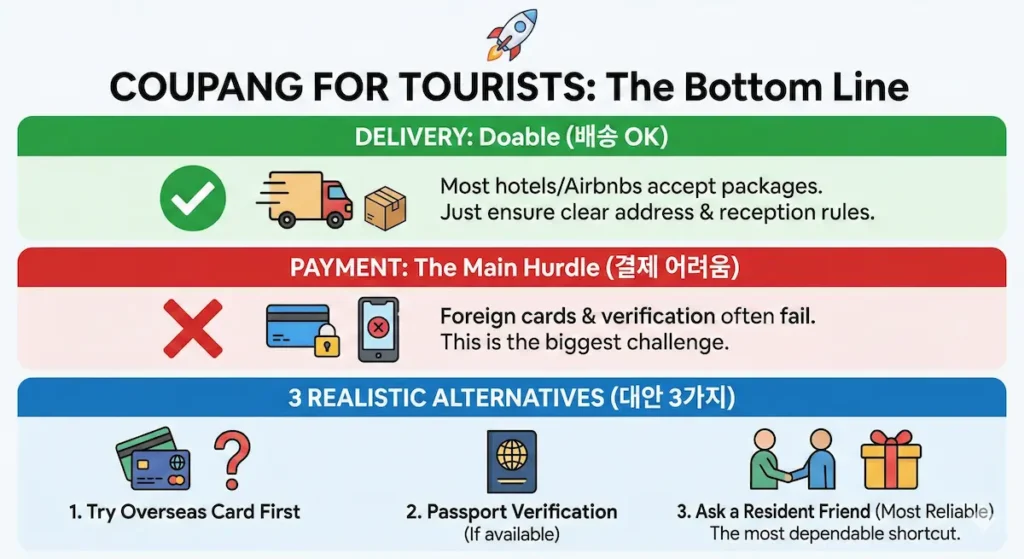
Bottom line: Coupang can be great value, but for tourists the biggest hurdle is payment
If you’re a long-term resident, Coupang is basically a “Korea life essential.”
If you’re a tourist, delivery is often doable—but payment and verification are where outcomes vary.
So here’s the simplest truth:
If your overseas card goes through, you’re golden. If not, asking a resident friend to help is the most dependable shortcut.
You can download the app from the App Store or visit Coupang Website.
🇯🇵 Japanese Speaker? Check out the Japanese version of this guide: How to use Coupang in Korean (日本語ガイド)