Bomdong Bibimbap is one of the easiest and most satisfying ways to enjoy Korea’s short but delicious spring vegetable season.
When spring arrives in Korea, certain vegetables suddenly taste better for a very limited time, and bomdong (봄동, spring cabbage) is one of the best examples. It is often used in soup or lightly seasoned side dishes, but I honestly think it becomes even more interesting when turned into geotjeori-style (fresh, unfermented) kimchi and piled over bibimbap.
For anyone who cooks Korean food at home on a regular basis, bibimbap can start to feel a little repetitive. That is exactly where bomdong shines. Instead of the usual heavy gochujang-forward bowl, this version feels brighter, fresher, and much more seasonal. If you want to experience a lighter side of Korean home cooking, this is a great place to start.
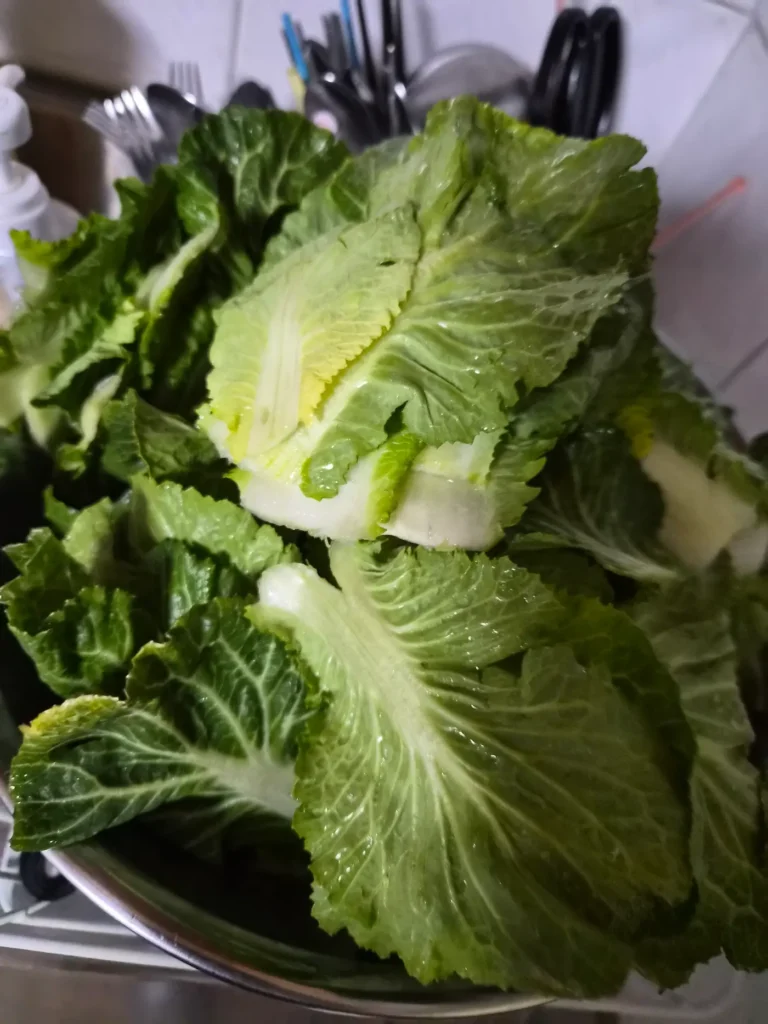
Why Bomdong Works So Well in Bibimbap
Bomdong has soft leaves and crisp stems, so its texture really stands out when eaten raw and lightly seasoned. Compared with regular napa cabbage, it is smaller, flatter, and easier to coat evenly with dressing. It also stays pleasantly crunchy without turning tough.
That makes it perfect for bibimbap. Once mixed into a quick geotjeori, bomdong adds real texture between the rice and the other vegetables. One of the best things about it is that the flavor still works beautifully even without relying on a big spoonful of heavy gochujang. The natural green freshness of the leaves and the clean seasoning create a bowl that feels lighter and more balanced than standard bibimbap.
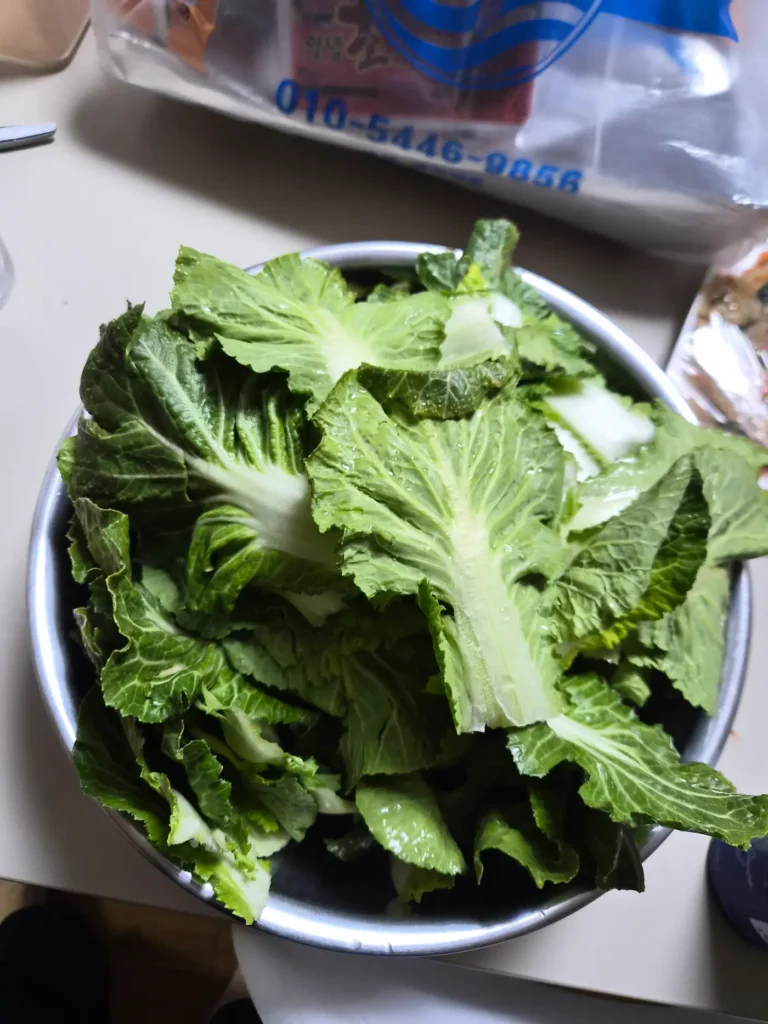
What I Liked Most After Trying It
1. The Crunch Is Fresh, Not Tough
The first thing I noticed was the texture. Bomdong is crisp, but not in a fibrous or chewy way. The stems have a nice bite, while the leaves stay tender enough to mix and eat comfortably. That makes it approachable even for people who are still getting used to Korean vegetables.
2. It Makes Bibimbap Feel Much Lighter
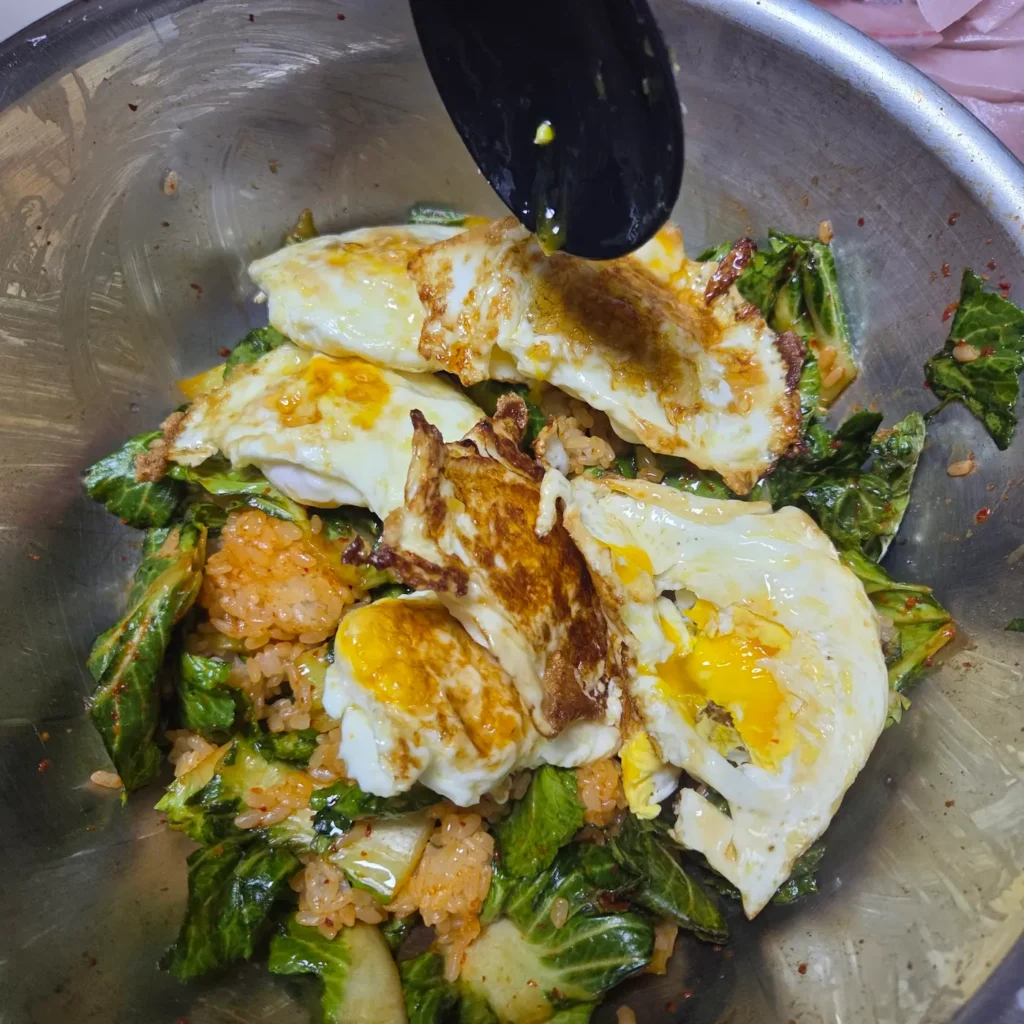
Classic bibimbap usually makes people think of a bold red gochujang base first. Bomdong geotjeori bibimbap feels different. It is more refreshing, greener, and cleaner on the palate, but still flavorful enough to keep you going back for another bite.
3. It Is Great for Meal Prep and Side Dishes Too
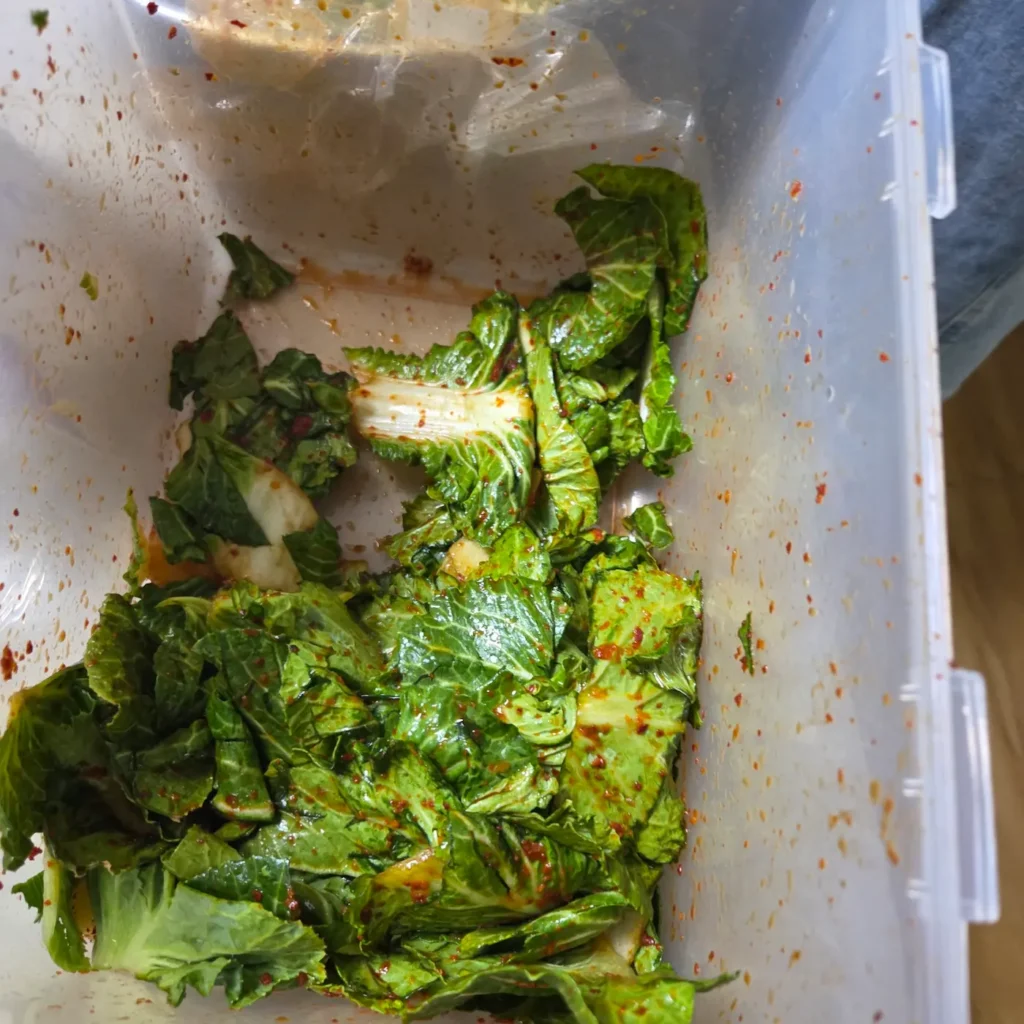
If you live alone or cook for one or two people, buying fresh vegetables can feel risky. Bomdong is useful because it does not stop at bibimbap. You can make a generous batch of geotjeori, use part of it for rice bowls, and keep the rest as a side dish for later meals.
4. It Feels Like a Real Seasonal Korean Ingredient
Bomdong has that unmistakable “spring only” appeal. For travelers, expats, or anyone trying to understand Korean ingredients beyond the most famous staples, this is an easy and rewarding vegetable to try.
5. It Can Easily Be Made Vegan
If you want a strictly plant-based meal, simply skip the traditional fried egg on top. The bold flavors of the geotjeori seasoning and the crispness of the bomdong easily carry the dish on their own. You can enjoy this bowl without egg and still have a complete, perfectly satisfying vegan Korean meal.
A Small Downside to Keep in Mind
1kg Can Be Too Much for One Person
The flavor and versatility are excellent, but a 1kg bag of bomdong can be a lot for a one-person household. If your vegetable consumption is slower, the washing, trimming, and storage can start to feel like work. That is why I would recommend starting with around 500g if you are trying it for the first time on your own.
Conclusion
Bomdong may sound like a vegetable mainly meant for soup or seasoned greens, but its character comes through even more clearly in Bomdong Bibimbap. It is crisp without being tough, fresh without being bland, and seasonal without requiring complicated prep.
For a lighter and more seasonal Korean home-cooked meal, bomdong is absolutely worth trying at least once before spring ends.
🛒 Ingredient Info & Recipe Inspiration
- Where to buy: Korean grocery stores, local marts, or traditional markets during spring.
- Best for: Fresh bibimbap, geotjeori, simple side dishes, and light (or vegan) Korean home meals.
- Price: About ₩4,000–₩8,000 per bag depending on size and season.
- Note: A 500g pack is highly recommended for solo cooking to avoid food waste.
- 📺 Watch how the locals eat it: Want to see the ultimate way to enjoy this dish? Check out this legendary TV moment of Korean comedian Kang Ho-dong eating a massive bowl of it! 👉 [Watch Kang Ho-dong’s Bomdong Bibimbap Mukbang Here]
🔗 Read Next:
Prefer something a bit more savory and spicy for dinner?
👉 [Korean Dakgalbi Meal Kit: A Spicy At-Home Dinner Worth Trying]